
Practical guide
Plan a box truck side message with one clear priority
Use the large side surface to organize the business identity instead of filling every available area.
Read the guide: Plan a box truck side message with one clear priorityChicago commercial vehicles & fleets
Give the sides and rear of your box truck a useful message. Plan around doors, hardware and the views people actually see.
Guaranteed response within 2 hours.Free planning tools and buyer downloads below.
A clear scope before the spend.
Free box truck message board below. Use the result with any wrap shop.
More useful project detail
Use the message board to plan a box truck’s identity by view. These guides connect message hierarchy with serving the viewer, real door hardware and a clean approval process.

A visual you can keep
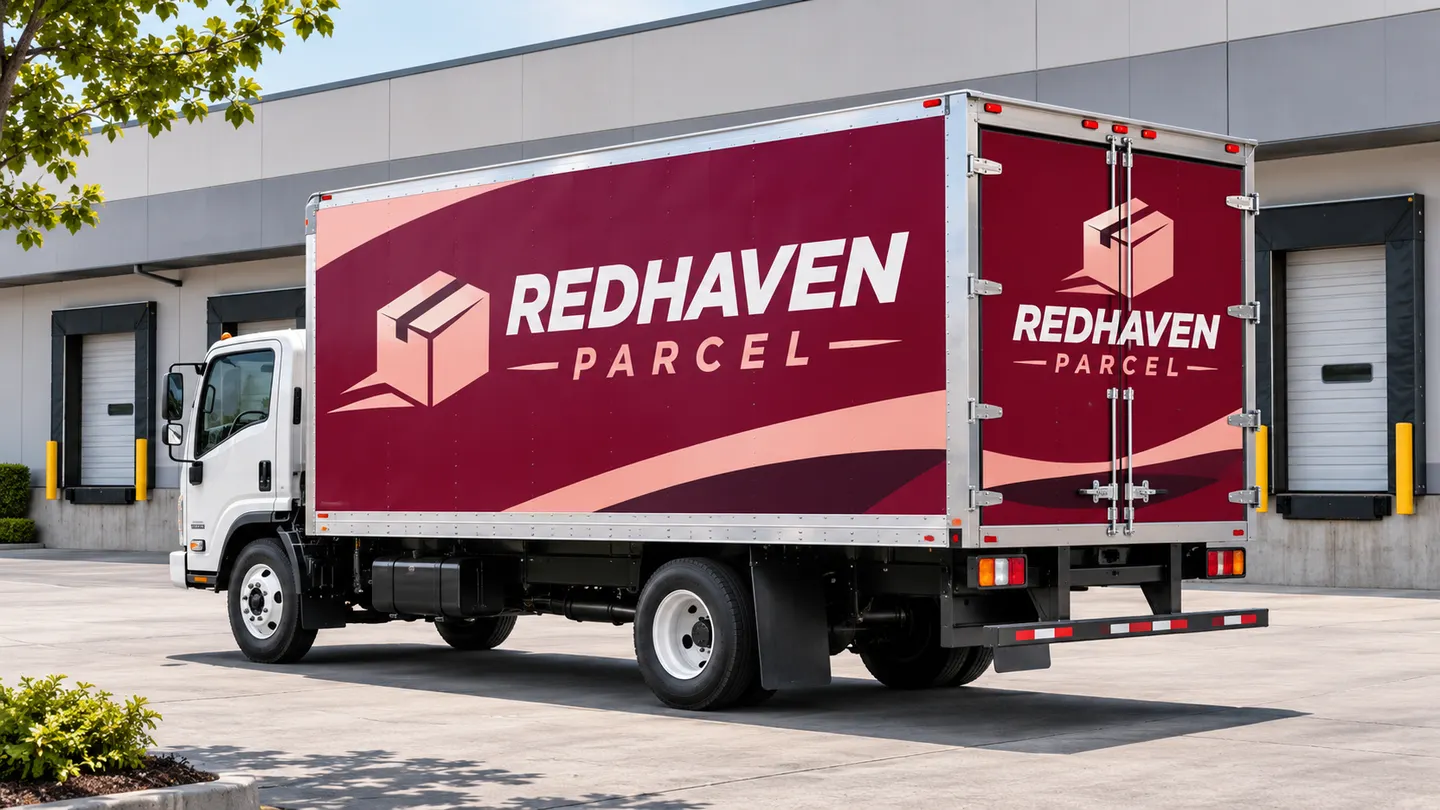
Build side and rear messages around the actual body.
Use the planning example from Chicago Fleet Wraps, download a copy, or read the related project guides.
Practical guide
Use the large side surface to organize the business identity instead of filling every available area.
Read the guide: Plan a box truck side message with one clear priorityPractical guide
Plan the rear around door construction, hardware and an independently understandable contact route.
Read the guide: Give the rear doors a complete message of their ownPractical guide
Use a structured review of wording, views and operating states to resolve design questions.
Read the guide: Test the box truck message before productionWhy put your business on a vehicle?
Make one business idea easy to pick out across a larger panel.
Give the rear doors their own readable layout around working hardware.
Include panel joins, rivets, repairs and access in the scope discussion.
Picture the possibilities
Look at the message, the coverage and the working views.
Redhaven Parcel is a fictional business. These generated design concepts illustrate ideas to discuss for your vehicles.
Plan the graphics for your vehiclesA clear scope before a price
Vehicle size, covered areas, artwork, preparation, existing graphics and the proposed material system all belong in the price discussion.
Useful when the priority is a clear name, service and contact route.
Discuss this scopeCompare the exact panels, message and finish with the full-coverage option.
Discuss this scopeConfirm the included painted panels and any exclusions on the actual vehicle.
Discuss this scopeRequest a price for the actual vehicles and agreed coverage. The free tools below help you compare the assumptions.
Let’s talk vehicles
Tell us how many vehicles you have. We’ll follow up about the vehicles, coverage, design and timing.
Guaranteed response within 2 hours.Know the next step
Guaranteed response within 2 hours. Final project pricing and dates follow review of the scope.
Name, email, phone and vehicle count. Share the project context through the free tool if it is useful.
Discuss the actual vehicles, coverage, artwork, existing graphics and timing.
Check the written scope and vehicle-specific artwork, including the business wording and included surfaces.
Confirm scheduling, preparation, review and the applicable care information.
The free tool
Use the example values to explore, then replace them with your project details.
Use the tool without sharing contact details. Entering a valid email or phone in the inquiry form saves your project entries, filenames, analysis and selected original files, even if unfinished. Original files: up to 50 MB each and 200 MB per batch.
Example Service Co.
| View | Primary content | Review |
|---|---|---|
| Side | Company name and main service | Main service: Local delivery |
| Rear | Company name and example.com | Review doors independently |
This is a designer brief. It does not certify reading distance or generate production artwork.
Ready to discuss the vehicles? Get fleet pricing. Save your result to use in that conversation.
Free tools for a better buying decision
A 12-page workbook with generic wrap concepts and fillable worksheets for coverage, quote comparison, budget, fleet availability, artwork, proof approval and vehicle records. Use it with any wrap shop.
Fill it in electronically or print it. No email needed.
Take this to any wrap shop
Print it off so you remember to ask. A practical checklist covering scope, materials, artwork, preparation, scheduling, warranty and handoff, plus questions for this project.
Confidence comes from the details
Use these checks when you review a proposal, a proof or a wrap shop. Keep the answers with your project.
Print the wrap-shop questionsSee the tradeoff
Put the main service on the side and a single useful contact route on the rear, then review each view separately.
Illustrative values, not a completed customer project.
Example Service Co.
| View | Primary content | Review |
|---|---|---|
| Side | Company name and main service | Main service: Local delivery |
| Rear | Company name and example.com | Review doors independently |
This is a designer brief. It does not certify reading distance or generate production artwork.
Leave with something useful
Plan what a passing driver sees and what the customer behind your truck needs to read.
Build my message boardBuild it from the project details you enter.
Keep the assumptions and open questions visible.
Copy, save or print the result for your next conversation.
Commercial wrap service
Plan box truck graphics as a set of distinct views rather than one large artwork file. Establish the side message, review the rear around doors and hardware, and adapt the cab as needed. Confirm the actual body dimensions and operating setup before approving a design or choosing the final coverage.
A box truck is seen differently from the street, a loading area, and a customer entrance. Its broad side may carry the primary identity, while the rear must work around doors and equipment. A practical graphics plan considers those views together with the truck's delivery routine. Start with the way the vehicle is used, then decide how much information each area can carry without crowding the message or ignoring body hardware.
The broad side can support a strong visual identity, but its size does not justify adding unlimited information. Choose whether the main task is company recognition, service explanation, or a specific commercial campaign. Build the hierarchy around that decision and review the relationship between logo, supporting wording, and contact details. Keep the truck's panel construction visible in the proof so rivets, seams, and interruptions are not discovered late. For a fleet with different box lengths, preserve the same brand system while adapting proportions to each body rather than stretching the entire design.
Rear graphics need a separate plan because doors and loading hardware divide the available surface differently from the sides. Map hinges, latches, liftgate components, and other features before positioning key wording. Consider the vehicle in its normal operating configuration and note equipment that blocks a view when parked. Important identity should not depend on a small detail split unpredictably across hardware. The rear proof should make the intended message understandable on its own while remaining visually consistent with the rest of the commercial vehicle.
Delivery vehicles have work commitments that should be visible in the project plan. List which units are available together and which need individual scheduling. Provide consistent vehicle identifiers so artwork and installation records do not become confused between similar trucks. Discuss preparation, existing graphics, and any damage before assigning a fixed installation slot. Retain the approved artwork for each body configuration and record later replacements. This does not eliminate downtime, but it gives the operator a clearer basis for coordinating the graphics project with real delivery requirements and vehicle access.
Buy with the questions answered
Construction, rivets, seams, repairs, surface condition and rear-door hardware can change preparation and application needs. Supply photos and the actual body configuration for review.
Guaranteed response within 2 hours. The next conversation confirms the vehicle details, proposed coverage, artwork, existing graphics and timing so a project-specific scope can be discussed. Sending an inquiry does not reserve an installation date.
Review the covered surfaces, final business wording, vehicle-specific artwork, proposed material system, preparation and removal needs, price exclusions and agreed handoff. The free wrap-shop questions give you a record to use with any supplier.
Before you decide
For project-specific help, use the four-field inquiry form.
Get fleet pricingThe rear should share the same identity, but it usually needs its own arrangement. Doors, hinges, latches, and loading equipment create different spaces from a broad side panel. Review the rear as an independent view and keep the most important information clear within those constraints.
Read the detailed guide: Give the rear doors a complete message of their own
The brand concept can stay consistent, but proportions and content placement need review for each body length and configuration. Stretching a finished design can distort the identity or weaken the hierarchy. Use vehicle-specific proofs and preserve the approved versions for future matching vehicles.
Read the detailed guide: Test the box truck message before production
List the number of trucks, their body configurations, and the periods when each can be available. Identify any units that cannot leave service together. Preparation, coverage, complexity, and applicable bonding requirements affect scheduling, so the project plan should follow review of the actual scope.
Read the detailed guide: Plan a box truck side message with one clear priority
Keep the approved source artwork, vehicle configuration, coverage plan, and any material information provided for the original project. Confirm the new truck's details before reusing the layout. Similar vehicles may have different rear hardware or body dimensions, and replacement graphics may not perfectly match weathered originals.
Read the detailed guide: Give the rear doors a complete message of their own
Give the business name, primary service and a useful contact method a clear order. Concise fleet messaging helps the most important information stand out.
3M sourceCarry common colors, typography and messages across the fleet, then adapt placement to each vehicle. A layout that works on a trailer may need substantial changes on a cargo van.
3M sourceSome commercial films are designed for flat, riveted and corrugated surfaces. A box-truck body needs a material and installation specification that matches its construction.
3M sourcePreparation, coverage, vehicle shape, existing graphics and the installation team affect downtime. Obtain a project-specific schedule before committing vehicles to a fleet rollout.
3M sourceCommercial box truck campaigns can be planned for routes through Chicago, Addison, Elmhurst, and Lombard, with installation arrangements agreed for the vehicles involved. Tell us about your vehicles.